


I came across the petitions on social media alumni pages and wanted to share with the MHS community what truly matters.
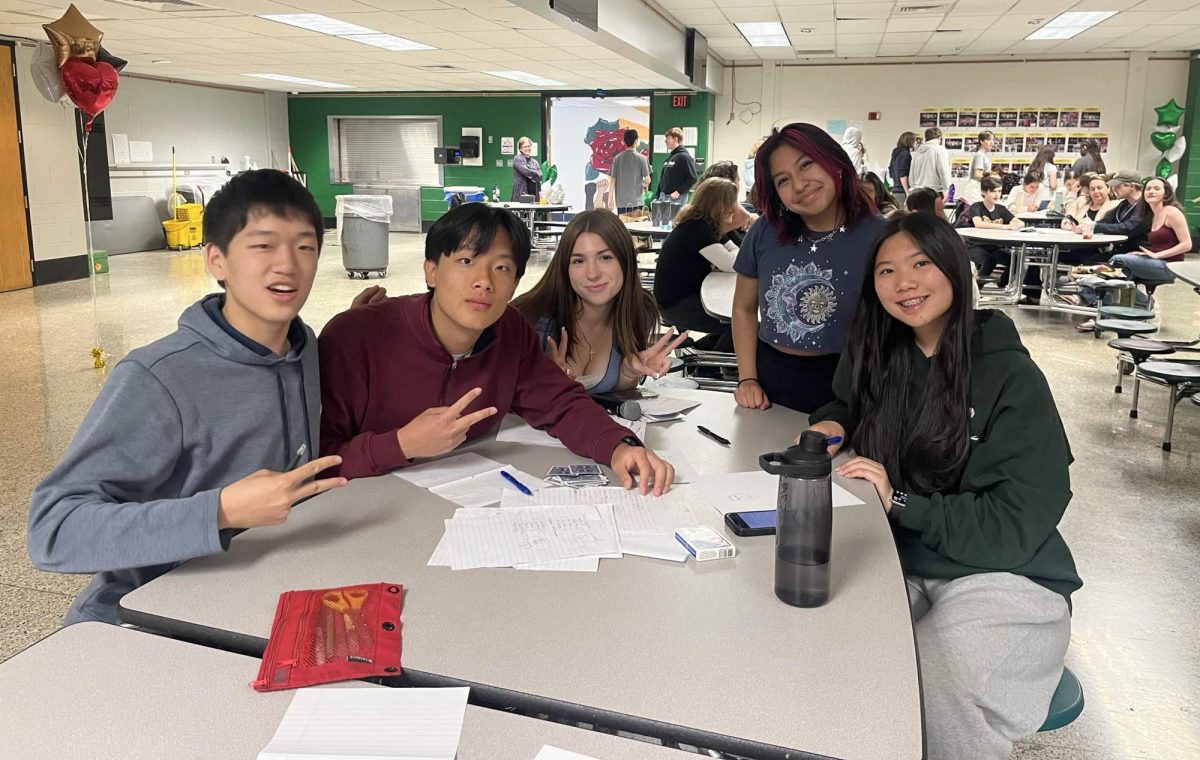
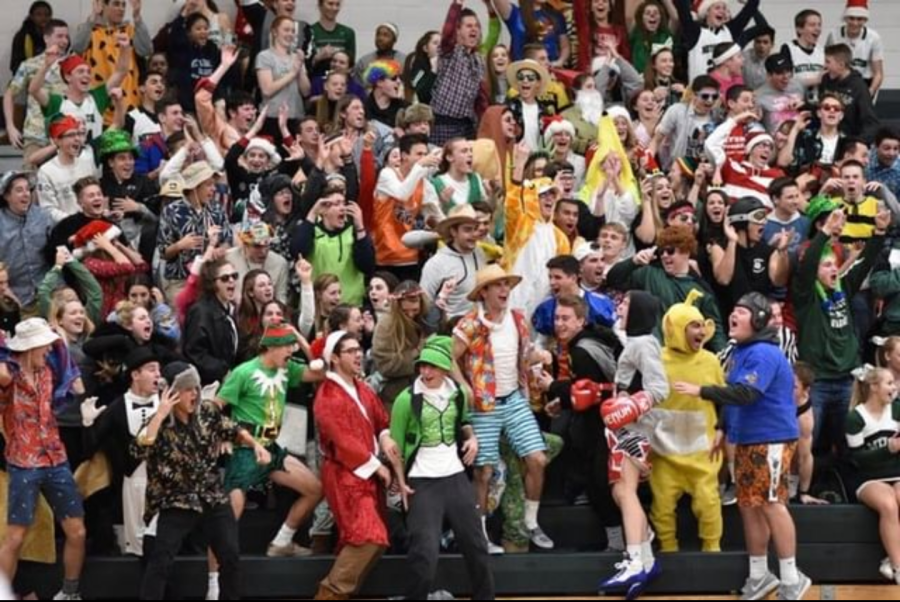
When I graduated in 2012, I witnessed something special happen at Methacton with a storybook ending: the rise of a student section, THE TRIBE. It wasn’t just louder cheers or championships. It was about identity. It was about adding “We Are” before Methacton and turning school spirit into something powerful and united.
Some of my classmates, many of whom I’d known since elementary school, helped lead that change. I remember one Friday night when a fan wore a headdress. It could have caused a big problem. Instead, a student leader calmly asked him to take it off, knowing it could offend others. That moment signaled maturity and respect. That’s what real leadership looks like.
Our newfound energy changed Methacton’s culture. It showed what a school and community can achieve. Administrators noticed. Principal Landis, Athletic Director Spiewak, and Assistant Principal Sabella told us we were among the strongest classes in recent memory—not because of a logo, but because of unity and pride.
Here’s the truth: the old Native American imagery is outdated. Communities across the country recognize that such depictions rely on stereotypes rather than authentic representation. History shows that caricatured imagery—of any minority group—can shape negative perceptions for generations. Indigenous communities have been fighting that battle for decades.
That’s why Methacton chose to move away from the imagery.
Let’s be clear: Methacton is still the Warriors. The name and identity remain. Only the logo is changing—a visual update to ensure school pride never comes at the expense of dignity. Methacton doesn’t need imagery to define its identity. Our student section is stronger than that. It gives our athletes the confidence and energy to keep going.
Some argue that tradition is being erased. I disagree. When coaches and teachers spoke about putting “a feather in your cap,” it was never meant to be literal like the former mascot. It was about honor and earning the right to wear green and white. Metaphorically, students still earn their caps every time they represent Methacton with pride. Perhaps the original intent of the former mascot was similar—to symbolize honor and achievement—but today we can uphold that meaning without stereotypical imagery. That tradition is alive and well.
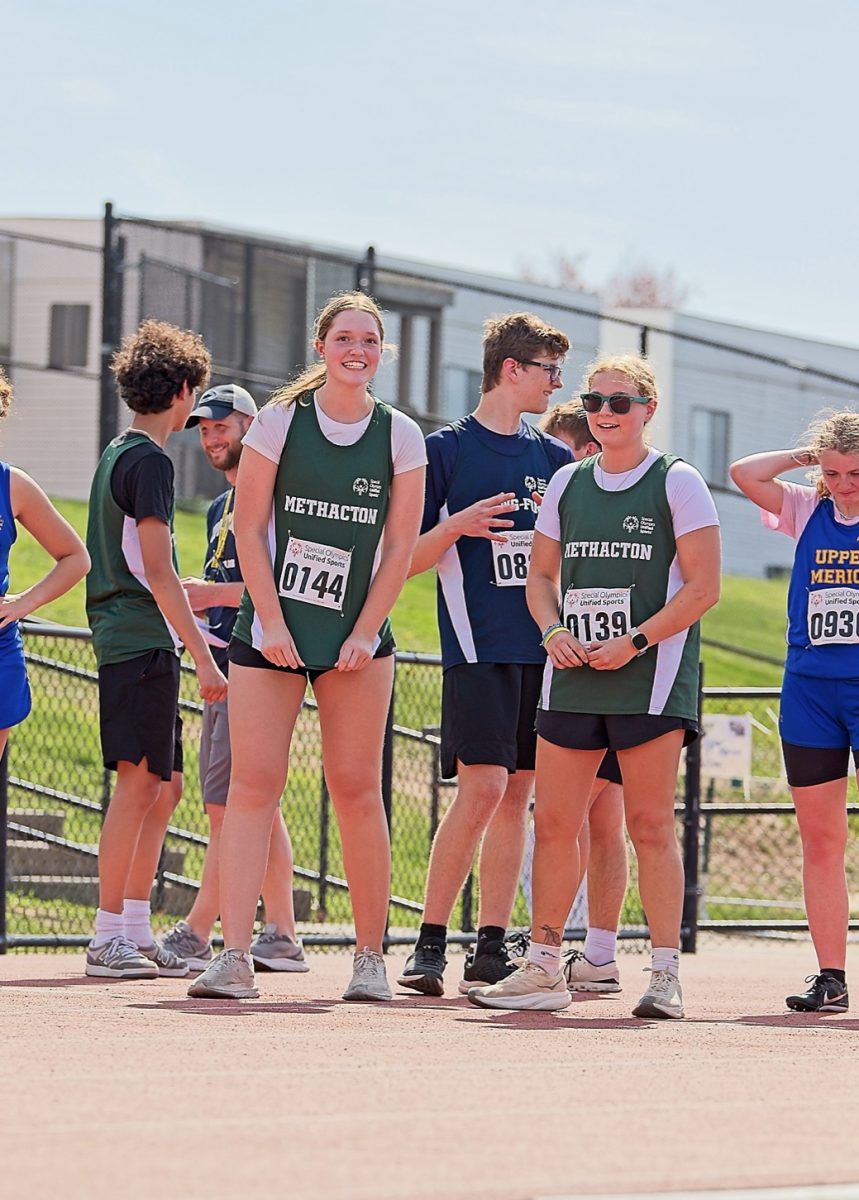
My real concern is distraction. The spirit we built started as fragile. As a freshman in 2008, school pride was a challenge. It took intention, emerging rivalries with Perkiomen Valley and Spring-Ford, a vision, and unity to make it last. Division over a mascot could threaten to undo that.
The goal was never a mascot. The goal was belonging. The goal was to add “We Are” before Methacton—a shared declaration that transcended logos and uniforms. That spirit continues under the Warrior nickname, under the M, under the same green and white passed down from generation to generation.
Tradition brings people together and inspires pride in something bigger than yourself. Stereotypes hold people back. We can respect our history without clinging to images that no longer align with our values. We can keep the Warriors name, keep the school spirit alive, and design a Warrior logo that shows pride without imagery that no longer reflects our values. And if it’s best to rename THE TRIBE, I’m confident my classmates would give their blessing if asked.
A mascot never built the spirit at Methacton—the students did. Logos don’t create legacy. People do. And if we let this divide us, that’s when we truly risk losing something worth protecting. We built something lasting once. This generation of Warriors—and those after—can earn it again.